Start with this
Trading Basics8 min read
Trading vs investing: what actually differs?
Same markets, different games. How holding period, costs, leverage and time change the odds, and what research on active traders found.
Read the explainerEducation, not investment advice. Trading can lose you money. How we check every fact
Topic
What actually happens when you press buy or sell, and what it costs you. Learn the mechanics before you risk any money on them.
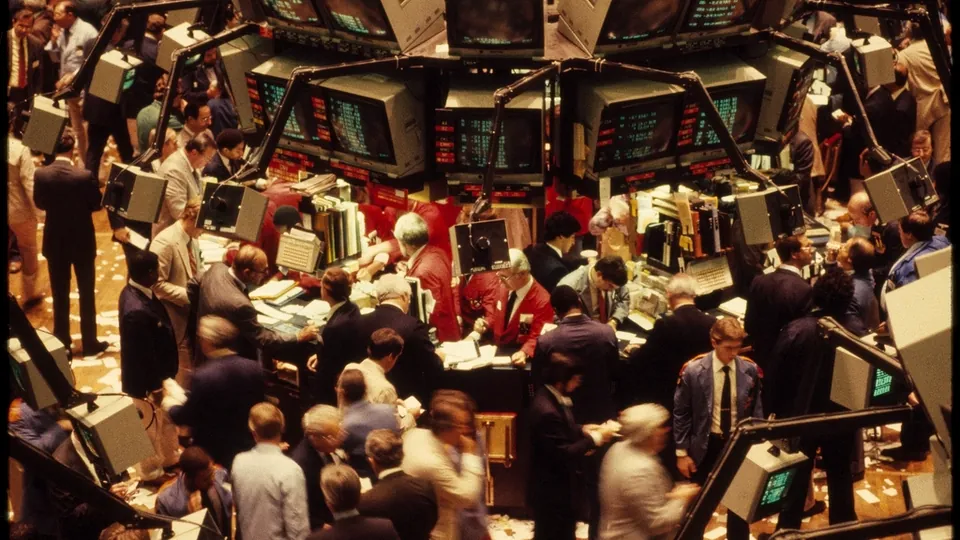
This topic covers the plumbing of a trade: the two prices every market shows, the orders you can send, who is on the other side, and what you pay along the way. None of it is a strategy. All of it decides how much a trade really costs and how far the result can drift from what you planned.
The reason to start here is simple. Every trade has a cost, and costs add up faster than most beginners expect. In a study of 66,465 U.S. households from 1991 to 1996, the ones that traded most earned 11.4% a year while the market returned 17.9% [1].
If you are new, read the explainers in this order. Trading vs investing sets out what changes when you hold for days instead of years, and why frequency matters. The bid-ask spread shows why you start every trade slightly behind, and what makes that gap wider. Market, limit and stop orders explains what each order controls, what it gives up, and why a stop is not a guaranteed exit. How brokers make money covers commissions, spreads and payment for order flow. Long and short positions walks through one trade from both sides, including why a short position can lose more than you put in. Asset classes explains what beginners can actually trade and how the risks differ.
Every explainer includes a worked example calculated in code, a table, the mistakes beginners make most often, and links to the regulator pages and research behind every number. When you finish, the risk management topic shows how to size a position so one bad trade cannot do serious damage.
Start with this
Trading Basics8 min read
Same markets, different games. How holding period, costs, leverage and time change the odds, and what research on active traders found.
Read the explainerTrading Basics7 min read
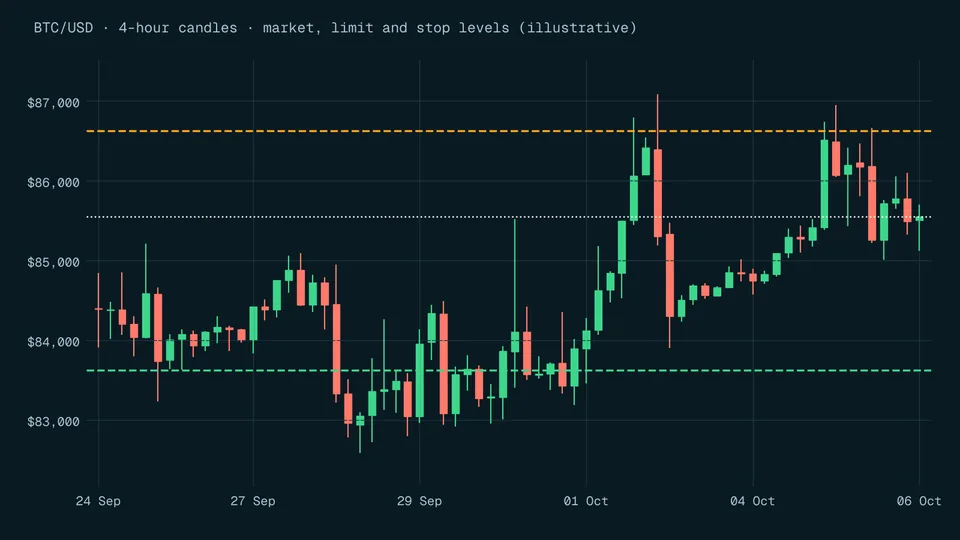
A market order fills but does not promise a price. A limit order promises a price but may never fill. Stop orders sit in between, with a catch.
Trading Basics7 min read
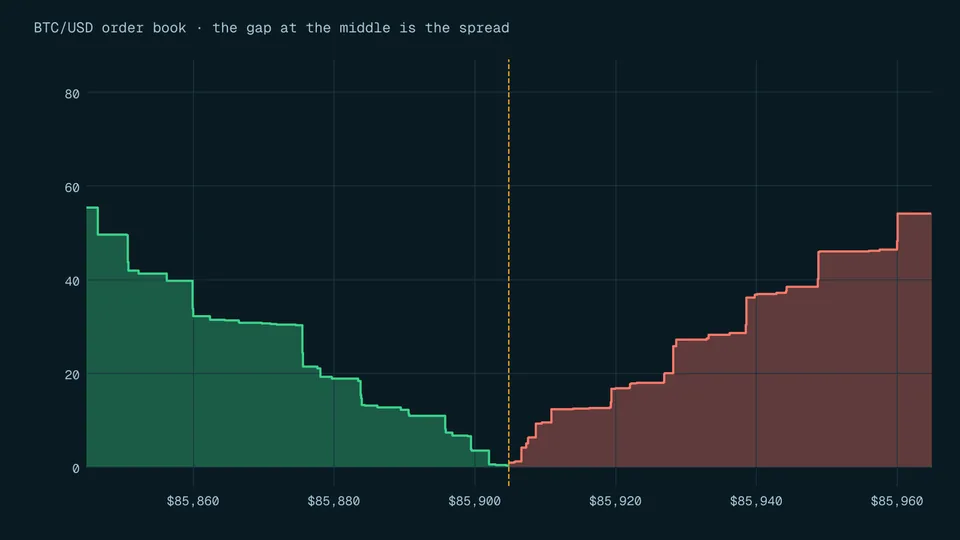
Buy at the ask, sell at the bid, and you start every trade slightly behind. How the spread works, what widens it and what it costs when you trade often.
Trading Basics9 min read
Commissions, spreads, payment for order flow, interest and dealer profits. Where a broker's income comes from, what it costs you, and how to check.
Trading Basics7 min read
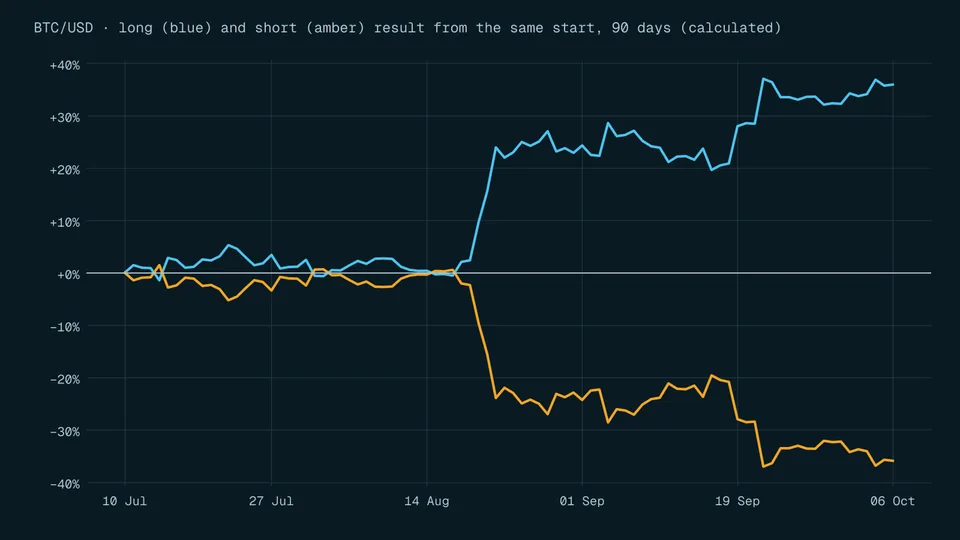
Long gains when prices rise, short gains when they fall. One $60 stock shows how each works, what shorting costs, and why its losses have no ceiling.
Trading Basics8 min read
Stocks, forex, commodities, futures, options, crypto and CFDs side by side: what you own, what you risk, and why regulators cap leverage differently.
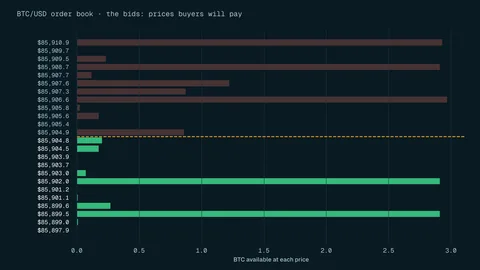
The bid price is the highest price a buyer will pay right now. What it means when you sell, why it can be lower than the last price, with an example.
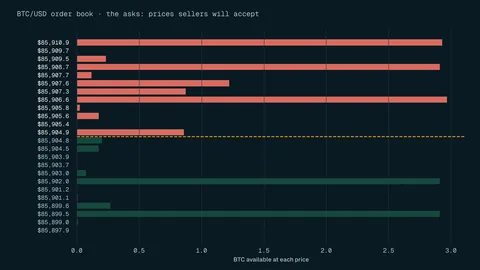
The ask price is the lowest price a seller will accept. What it means when you buy, why you may pay more than the ask you saw, with a worked example.
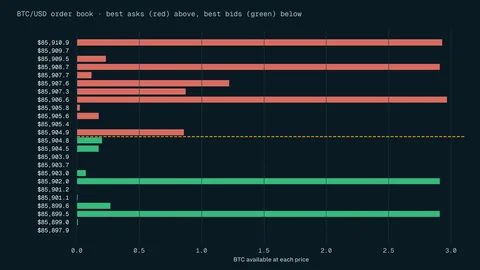
The spread is the difference between the bid and the ask price. Why it is a cost on every trade, who earns it, when it widens, with calculated examples.
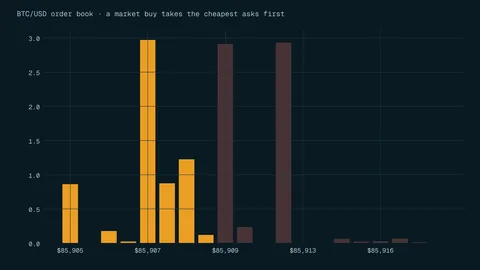
A market order buys or sells at the best available price right now. Why the fill is not guaranteed, when it differs from the quote, with a worked example.
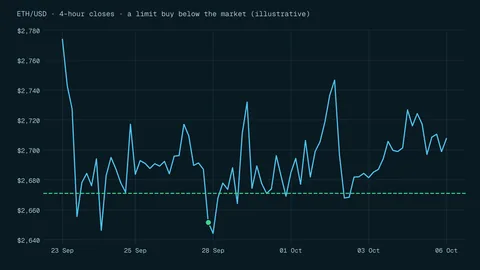
A limit order buys or sells only at your price or better. How it works, what it protects you from, why it may never fill, with a calculated example.
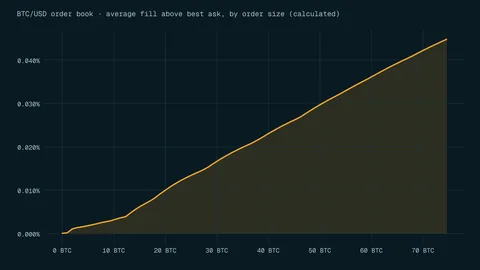
Slippage is the gap between the price you expected and the price you got. Why it happens, how it makes a stop-loss cost more, and how to limit it.
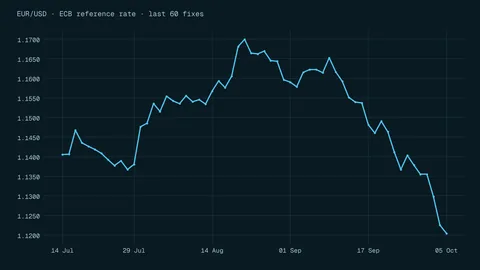
A pip is the smallest standard price step in a currency quote, usually 0.0001. How to count pips and what one pip is worth, with calculated examples.
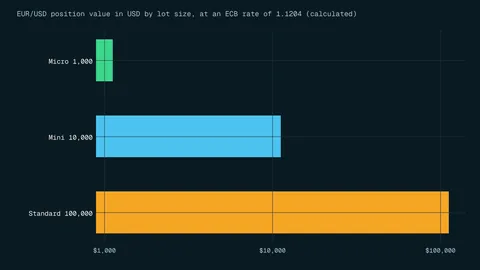
A lot is a unit of trading. What lot size means in forex, how big one lot of 100,000 units is in money, and how to check it before you trade.
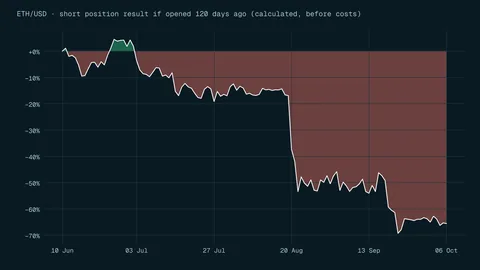
Short selling means selling a stock you do not own, usually borrowed, hoping to buy it back cheaper. How it works, what it costs and why losses have no ceiling.
How prices are quoted and what each order type does. Start with the bid-ask spread, then market, limit and stop orders. A market order fills at the best available price, but that price is not guaranteed [2].
No. Investors usually hold for years towards a goal; traders try to profit from short-term price moves and pay costs far more often. Our explainer on trading vs investing compares the two.