Glossary
Bid price: the price you get when you sell
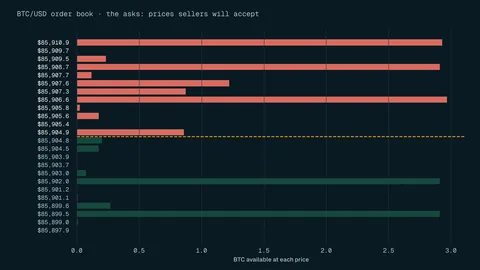
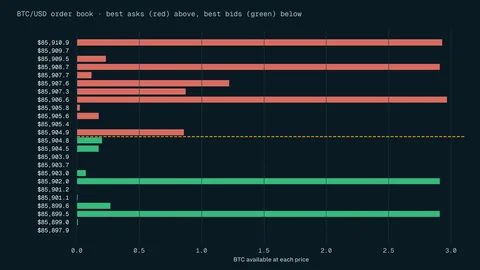
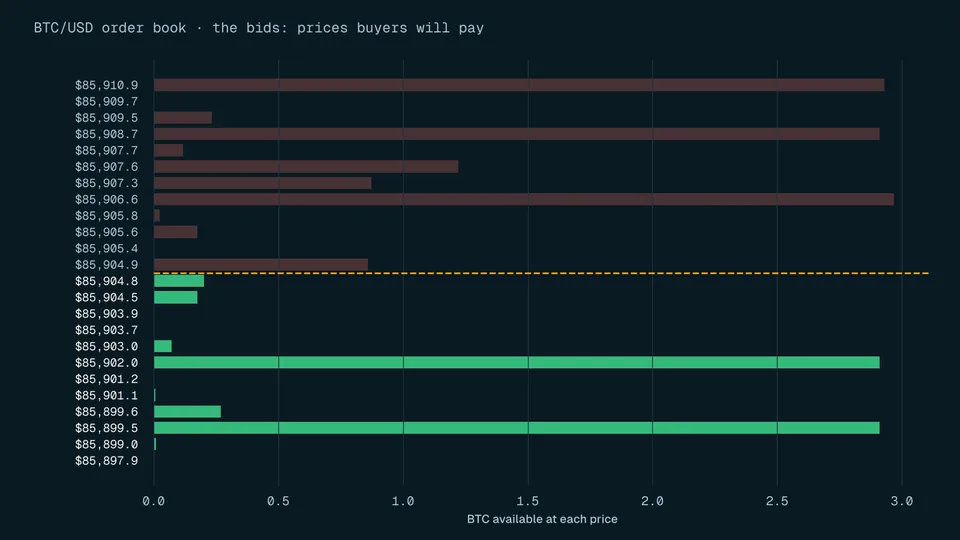
The bid is the buyers' side of a quote. It is the number that decides what you actually receive when you sell now, and it is usually lower than the price you bought at.
The bid is the highest price a buyer is willing to pay for an asset at a given moment. When you sell straight away, you trade at or near the bid.
Quick answer
The bid price is the highest price a buyer will pay at that moment [1]. If you sell with a market order, you usually receive at or near the bid [4]. It is almost always below the ask, so selling now costs you the spread.
Key points
On this page
What is the bid price?#
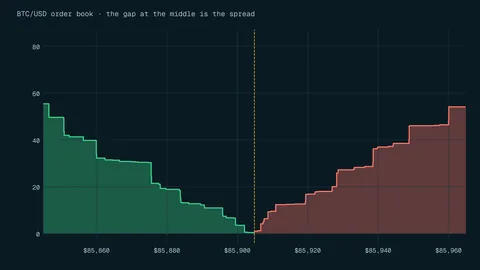
The SEC's investor glossary defines the bid as the highest price a buyer will pay to buy a specified number of shares at any given time [1]. The same entry says the bid will almost always be lower than the ask price, and calls the difference the spread.
The words "specified number of shares" matter. A bid is good only for a certain size. If you sell more than that, you may not receive the price you saw on screen [2].
| Price you see | What it tells you | When it applies to you |
|---|---|---|
| Bid | Best price a buyer offers now | When you sell now |
| Ask | Best price a seller accepts now | When you buy now |
| Last price | Where the most recent trade happened | Not necessarily a price you can trade at now |
Three prices on one screen. Bid and ask definitions from the SEC glossary [1]; the SEC warns that market orders often fill away from the last-traded price [3].
Why can you receive less than the price on the chart?#
Charts often show the last traded price. A sell order does not trade there: FINRA explains that a market order generally executes at or near the current bid or ask [4], and for a sale that is the bid. The SEC adds that a market order's price often deviates from the last-traded price or real-time quote [3].
When does the bid drop further below the ask?#
When fewer buyers are around. FINRA says illiquid investments often have a wide bid-ask spread, and that large spreads reduce returns by raising the buy price or lowering the sell price [5]. Its rule on extended-hours trading warns that lower liquidity and higher volatility outside regular hours may mean wider than normal spreads, and that an order may be only partly filled, or not at all [6].
If you must sell in those conditions, a limit order lets you set the lowest price you will accept, with the risk that it does not fill. Our explainer on the bid-ask spread shows how this gap adds up over many trades.
Frequently asked questions#
Is the bid what my position is worth?
Who sets the bid price?
Buyers do, through the orders they place. The highest of those buy orders is the bid you see on your screen. A forex dealer platform is different: you trade only against the dealer and are limited to the prices it offers [7].
Why did my sell order fill below the bid I saw?
Quotes change, and the SEC notes that a quote covers only a specific number of shares, so you may not receive the price you saw on screen [2].
The bottom line#
When you sell, the bid is the number that counts, not the last trade on the chart. Check it before you sell, expect it to sit below the ask, and be careful in thin or after-hours markets where it can drop further away. Read the risk disclosure and our bid-ask spread explainer before trading often.
Sources
- Bid Price/Ask Price (Investor.gov glossary).
- Trade Execution: What Every Investor Should Know.
- Understanding Order Types (Investor Bulletin).
- Order Types.
- Understanding Market Liquidity and Your Investments.
- 2265. Extended Hours Trading Risk Disclosure (FINRA Rules).
- Customer Advisory: Eight Things You Should Know Before Trading Forex.
Education only. This page is not investment, tax or legal advice. Trading and crypto can lose you money. See our risk disclosure.