Crypto Safety · 8 min read
Common crypto scams and the warning signs
Fake platforms, relationship scams, Bitcoin ATM and recovery scams: how each one works, the warning signs regulators list, and what to do next.
Education, not investment advice. Trading can lose you money. How we check every fact
Independent · Beginner first · Every number sourced
Plain-English explainers, a glossary and calculators that show their maths. Independent of any broker. No signals, no hype.
Prices are delayed and for education only, not a signal to buy or sell. Crypto data: CoinGecko (CoinPaprika if CoinGecko is unavailable). Currency rates: ECB reference rates.
Editor's pick
Risk Management8 min read
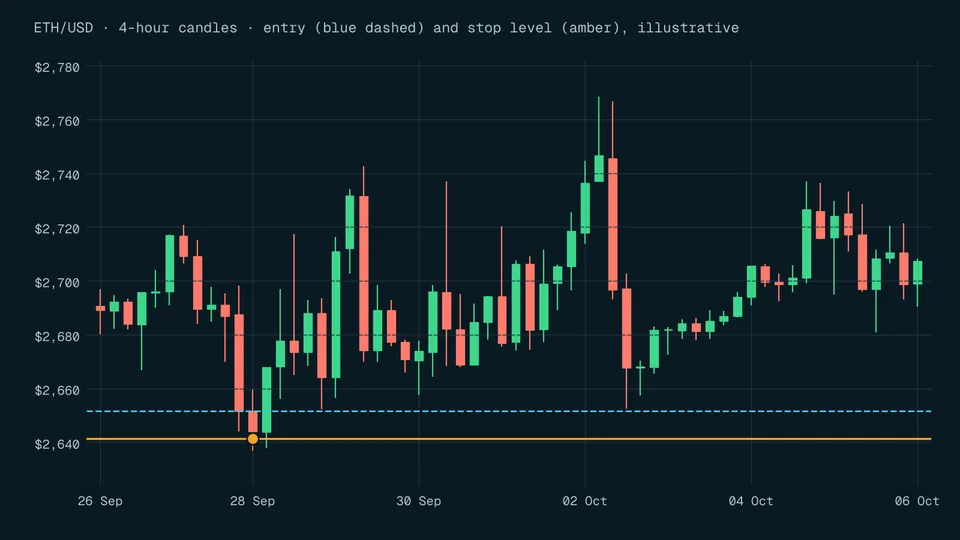
A stop is a trigger, not a guaranteed price. What happens when it fires, how stop-limit and trailing stops differ, and how to size a trade around one.
Read the explainerCrypto Safety8 min read
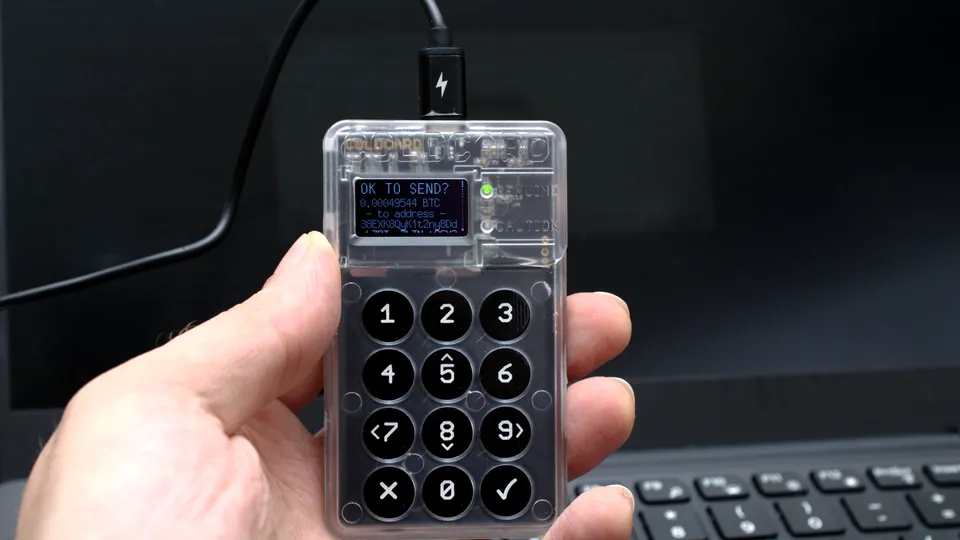
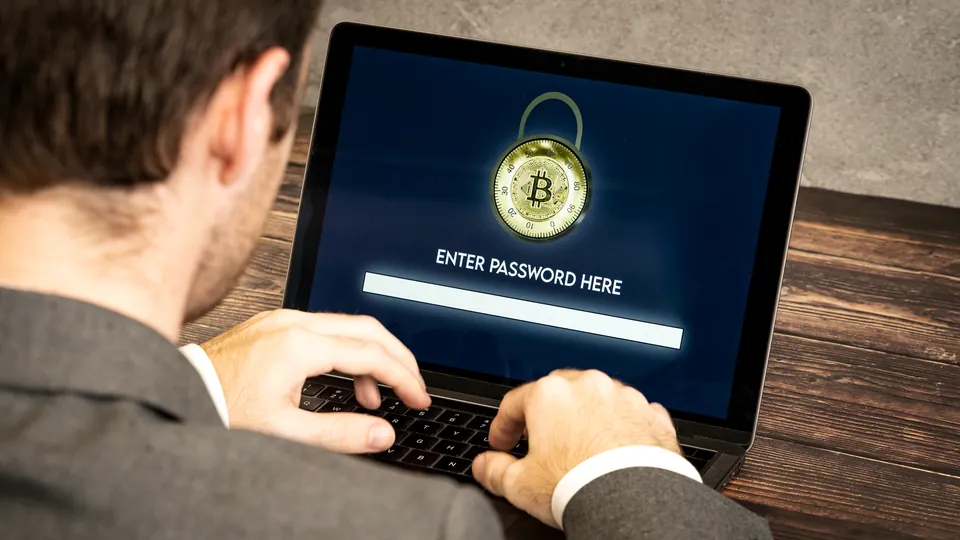
What a private key does, what a seed phrase does, how a few words turn into keys, and the habits that keep both out of a scammer's hands.
Guide3 min read
Four moves, in order, before risking real money.
Risk Management6 min read
Size every trade from the loss you can accept, not from how sure you feel. The formula, a worked example and what a losing streak does to different sizes.
 6 explainersTrading BasicsHow markets, orders, spreads and brokers actually work before any strategy.
 6 explainersRisk ManagementPosition sizing, leverage, stops and the arithmetic of losses.
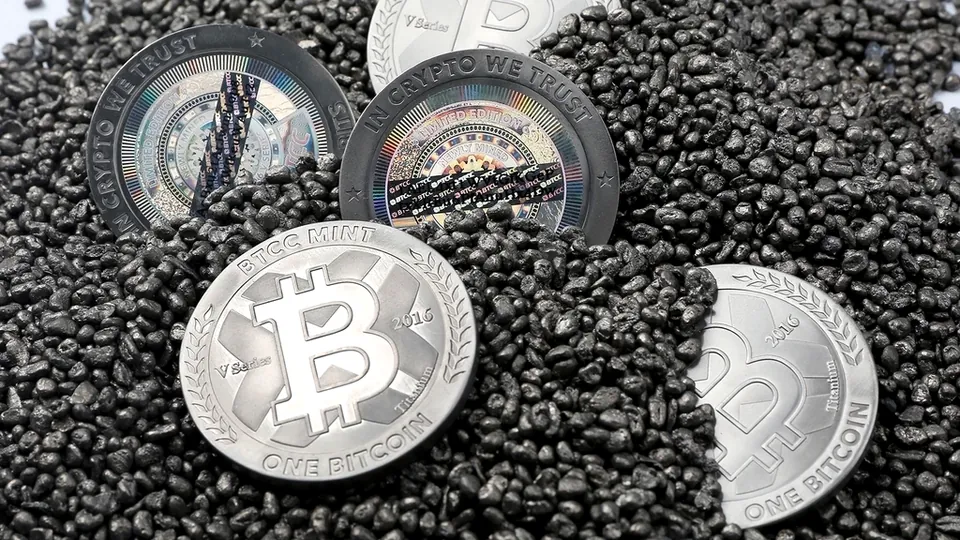 6 explainersCrypto BasicsBitcoin, blockchains, Ethereum and stablecoins in plain English.
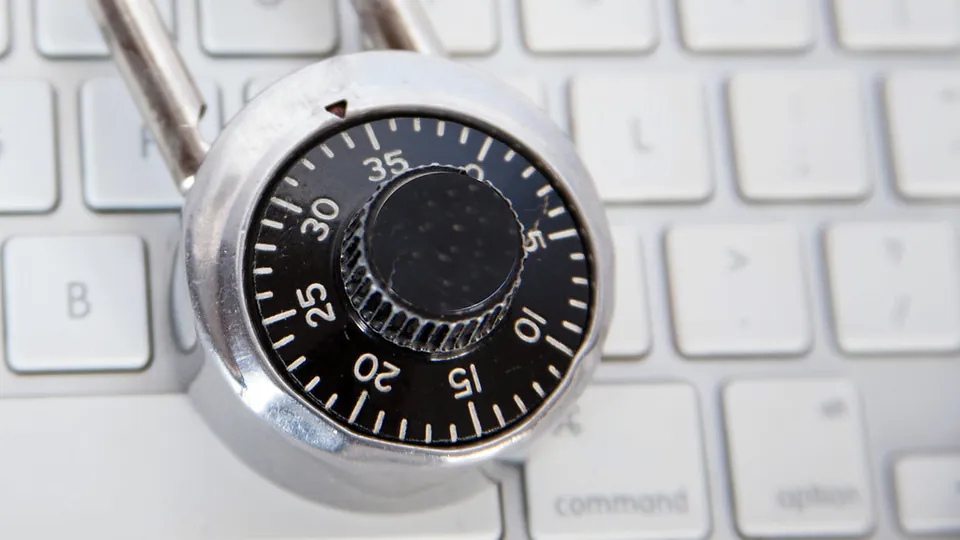 6 explainersCrypto SafetyWallets, keys, scams and how to check an exchange before you deposit.
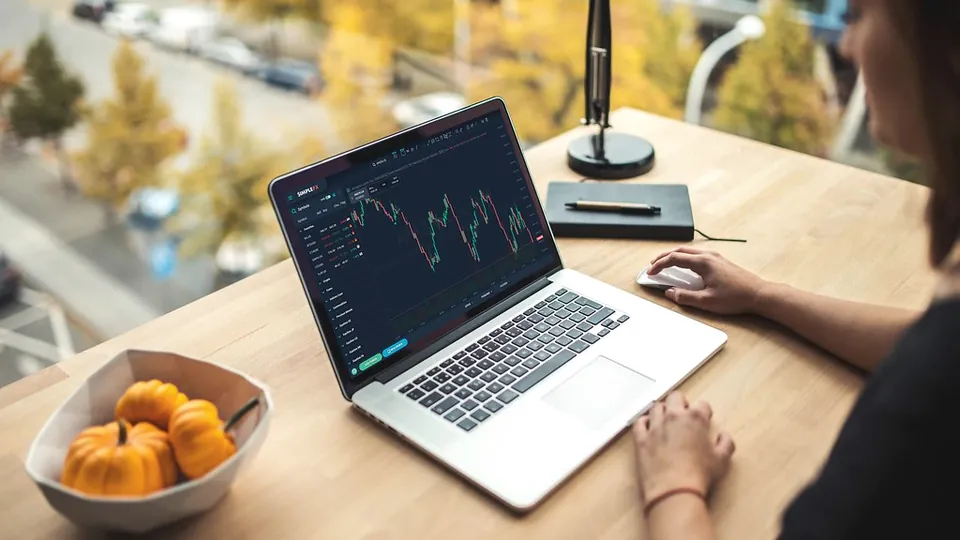 6 explainersTrading PsychologyThe biases that cost beginners money, and what the research shows.
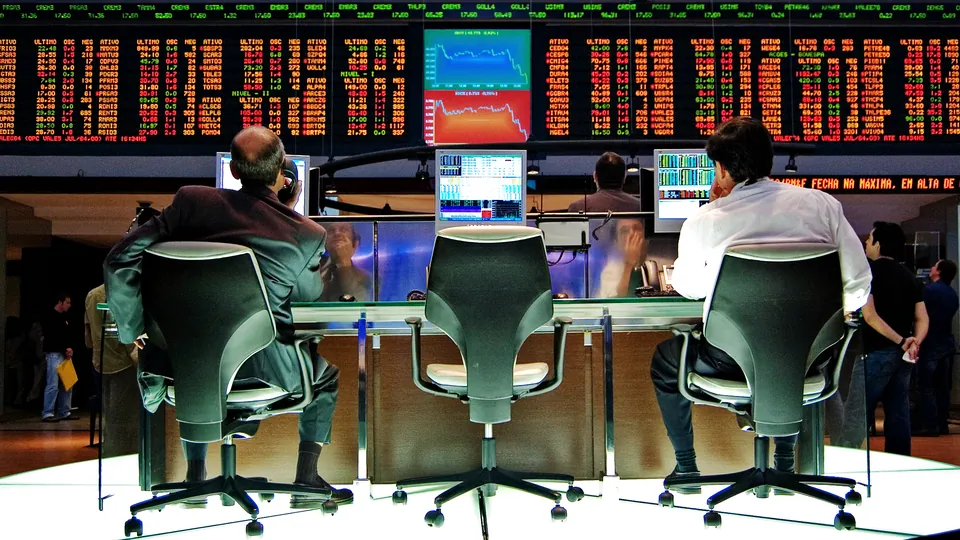 6 explainersMarkets & MacroInterest rates, inflation, currencies and central banks.
 6 explainersCharts & AnalysisCandlesticks, support and resistance, moving averages and backtests.
 6 explainersCosts & RegulationFees, CFDs, regulation and investor protection, checked at the source.
Risk Management9 min read
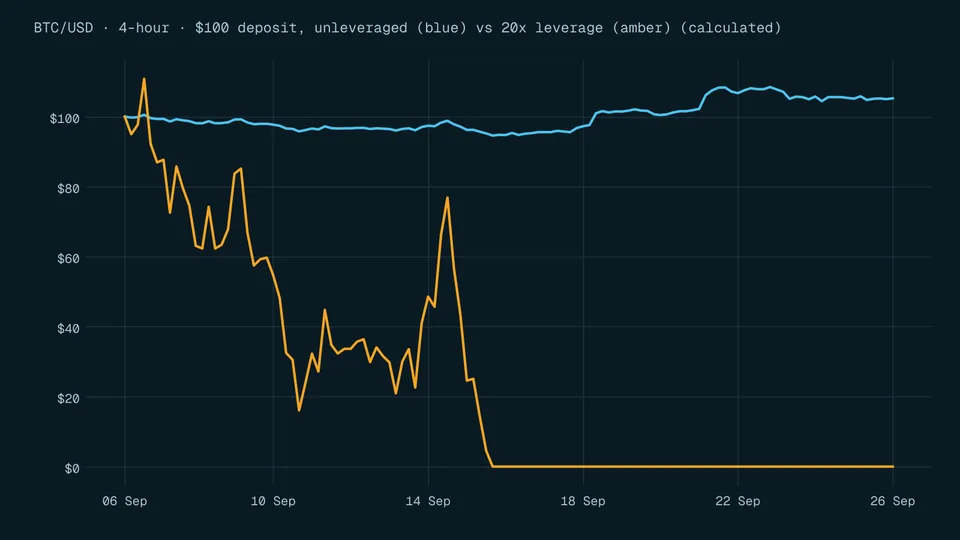
Margin is the deposit, leverage is the multiplier. How a 1% move can cost half your deposit, the limits regulators set, and how to size around it.
Charts & Analysis8 min read
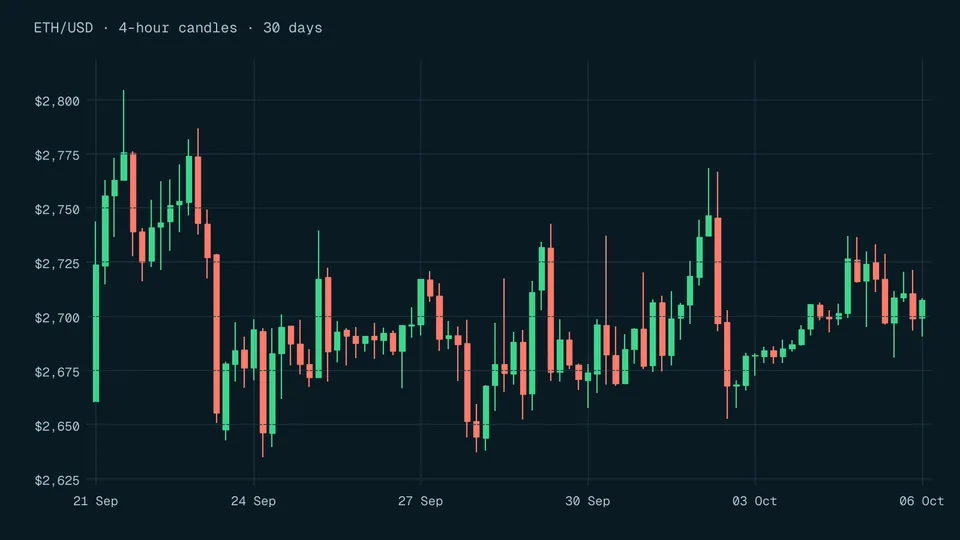
Every candle shows four prices: open, close, high and low. How to read the body and shadows, why the time frame changes the picture, and what studies say about candlestick patterns.
Costs & Regulation7 min read
Official registers by country, a six-step check, how clone firms copy real ones, and the limits of the protection that regulation gives you.
Calculators
6 free calculators. Each runs in your browser, shows its formula and includes a worked example you can check by hand.
See all calculatorsMarkets & Macro8 min read
How a rate decision travels from banks to bonds, stocks and currencies, why bond prices fall when rates rise, and why nobody can time the effect precisely.
Trading Basics7 min read
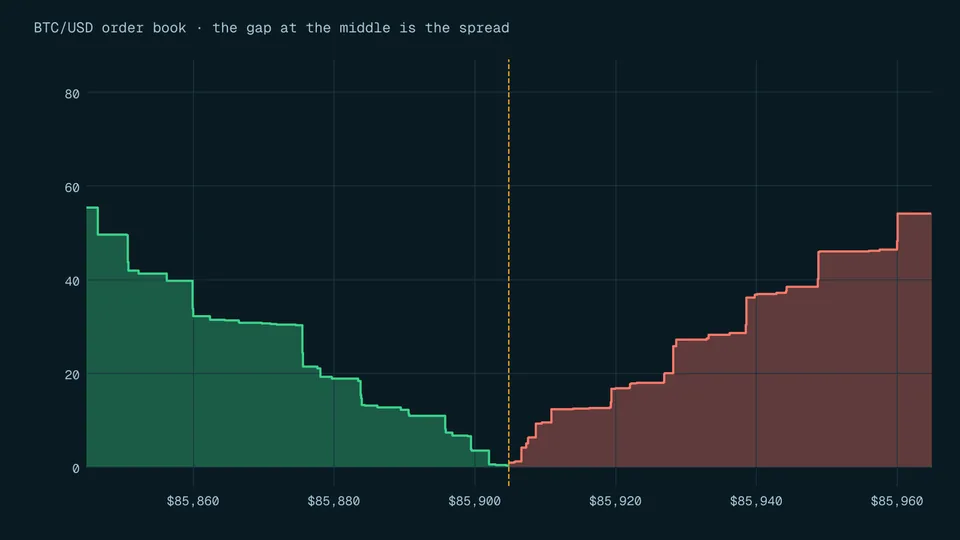
Buy at the ask, sell at the bid, and you start every trade slightly behind. How the spread works, what widens it and what it costs when you trade often.
Crypto Basics8 min read
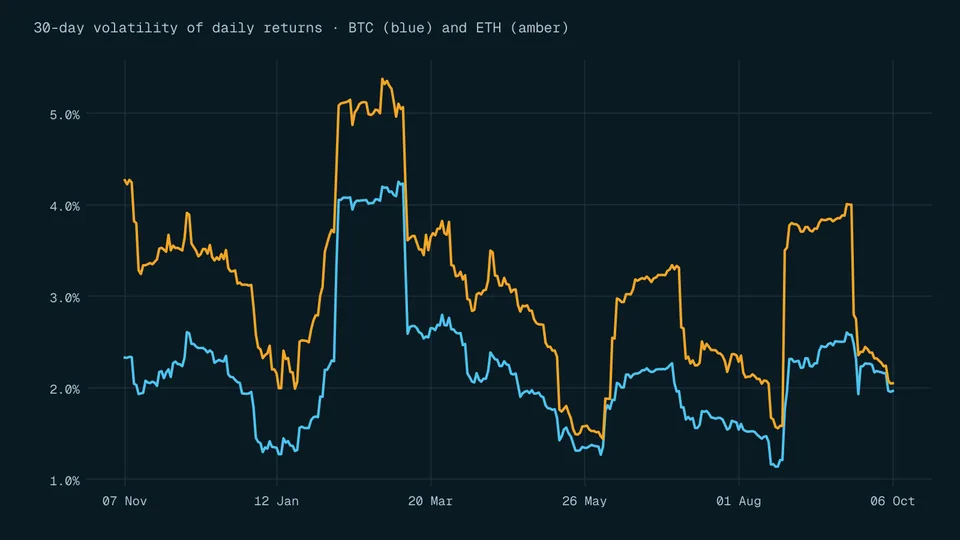
Crypto prices swing hard because value rests on demand and speculation in thin, lightly regulated markets. What drives it, how deep falls have gone and how to limit the damage.
Our research library holds 184 source notes from 89 publishers, mostly regulators, statistics agencies, central banks and the text of laws.
Every number, date and rule comes from a note that records the original document and a short quote from it.
Plain English, risk first. Worked examples are calculated with code, not by hand.
A second reviewer reopens the sources and signs the page off. Pages without that sign-off are not published.
Each page lists its sources, shows that it was fact-checked and when it was last updated.