Prices of bonds, shares and currencies react to the same few big forces: interest rates, inflation and what central banks do next. This topic explains them without forecasts.
Macro means the economy as a whole: interest rates, inflation, jobs and exchange rates. You do not need to predict any of it to be affected by it. A rise in interest rates can lower the price of a bond you already own; in the SEC's example, a 1-point rise took a $1,000 bond to $925 [1]. Inflation quietly reduces what cash can buy. And a currency move changes what imported goods cost [2].
The pages here explain how those forces work, using the words of the central banks and statistics agencies that measure them. They do not tell you what to buy or sell, and they do not forecast. Even central banks describe the effects of their own decisions as arriving with long, variable and uncertain lags [3].
If you are new, read in this order. Start with what does a central bank do: who sets interest rates and why. Then how interest rates affect markets follows a rate decision through to bonds, shares and currencies, with a worked bond example. What is CPI shows how inflation is measured and how to read the index yourself. What moves exchange rates covers the drivers central banks name and how a currency move reaches everyday prices. The economic calendar explains when the big data releases and rate decisions happen, and bull vs bear market covers the vocabulary of rising and falling markets.
Every page links each number to its primary source, includes a worked example calculated in code, and lists the mistakes beginners make most often.
How a rate decision travels from banks to bonds, stocks and currencies, why bond prices fall when rates rise, and why nobody can time the effect precisely.
What the CPI measures, how to turn index numbers into an inflation rate, what causes inflation and why central banks and markets pay so much attention to it.
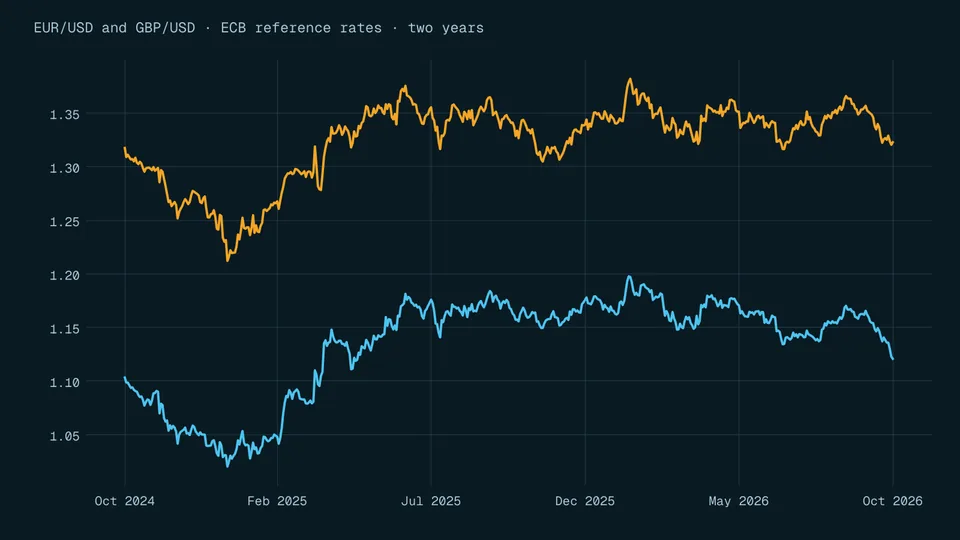
How to read a currency quote, the drivers central banks name for exchange-rate moves, how a stronger or weaker currency reaches your prices, and why trading it is risky.
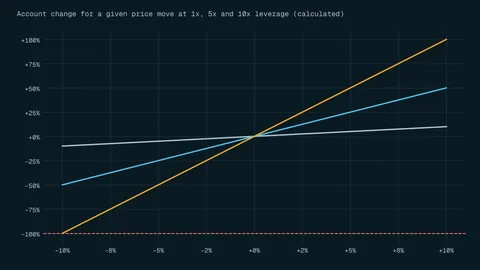
Leverage lets a small deposit control a much larger position, so small price moves become large gains or losses. What it means, with calculated examples.
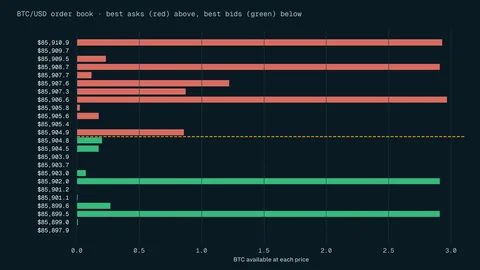
The spread is the difference between the bid and the ask price. Why it is a cost on every trade, who earns it, when it widens, with calculated examples.
Questions people ask about this topic
What does "macro" mean in investing?
It refers to the economy as a whole: interest rates, inflation, employment and exchange rates. In the US, the Federal Reserve's goals are maximum employment, stable prices and moderate long-term interest rates [5].
Why do interest rates matter so much to markets?
Because rate changes reach almost every price. The Fed says they tend to affect stock prices, move exchange rates and change borrowing costs [5]. Start with how interest rates affect markets.
Can I predict market moves from economic news?
No page here can promise that. The ECB says it is difficult to predict the precise effect of monetary policy on the economy and prices [3], and many forces act at the same time.