Glossary
Ask price: the price you pay when you buy
Every quote has two prices. The ask is the one that matters when you buy, and it is almost always the higher of the two.
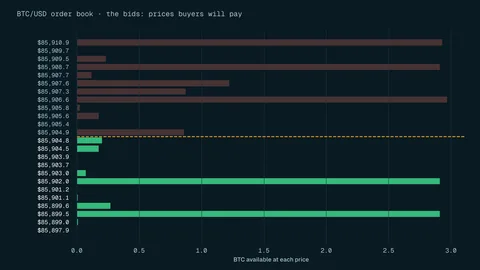
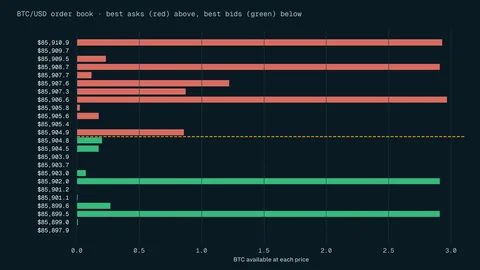
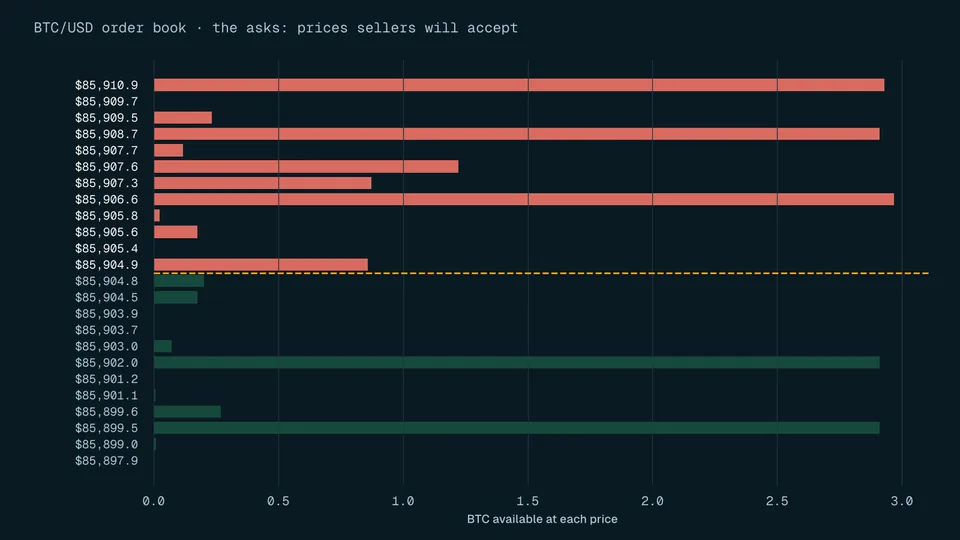
The ask (also called the offer) is the lowest price at which a seller is willing to sell. When you buy straight away, you trade at or near the ask, not at the last price you saw on the chart.
Quick answer
The ask price is the lowest price a seller will accept right now [1]. If you buy with a market order, you usually pay at or near the ask [2]. The ask sits above the bid, so a new position starts slightly behind.
Key points
On this page
What is the ask price?#
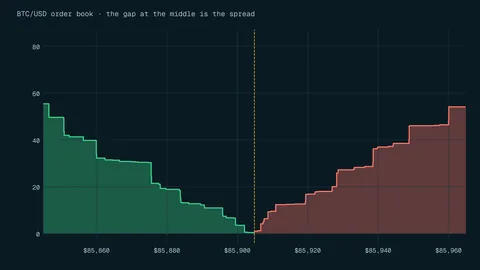
The SEC's investor glossary defines the ask as the lowest price at which a seller will sell, and notes that the bid will almost always be lower than the ask, which is also called the offer [1]. The gap between the two is the spread.
Think of the ask as the cheapest price on the sellers' side of the market at this moment. If you want to buy now, that is the price you have to meet. The bid price is the other side: what the most generous buyer will pay.
| Bid | Ask (offer) | |
|---|---|---|
| Who sets it | Buyers | Sellers |
| What it is | Highest price a buyer will pay | Lowest price a seller will accept |
| You meet it when you | Sell now | Buy now |
| Usually | The lower price | The higher price |
The two sides of a quote. Definitions from the SEC's investor glossary [1].
Why do you pay the ask when you buy?#
A buyer who wants a trade to happen immediately has to accept a price a seller is already offering. FINRA explains that a market order generally executes at or near the current bid or ask during normal trading hours [2]. For a buy, that means the ask.
Because you buy at the higher price, the position is worth less than you paid if you value it at the bid a second later. That small gap is a real cost, and it is one reason to read our guide to the bid-ask spread before trading often.
Can you pay more than the ask you saw?#
Yes. The SEC gives the example of a market order to buy 1,000 shares when the best offer is $3.00: if other orders are executed first, the order may fill at a higher price [3]. Price quotes are only good for a specific number of shares, so a larger order can go beyond the displayed ask [4]. FINRA adds that in fast-moving markets you might not get the price you saw [2].
If the highest price you are willing to pay matters more than speed, a limit order lets you set it. The trade-off is that a limit order may never execute [3]. A market order does the opposite: it favours speed over price.
Frequently asked questions#
Is the ask price the same as the offer price?
Yes. The SEC glossary uses ask and offer as two names for the same price [1].
Why is the ask higher than the bid?
Sellers want as much as possible and buyers want to pay as little as possible. While they disagree, the lowest offer to sell stays above the highest offer to buy. The SEC says the bid will almost always be lower than the ask [1].
Does the chart price show the ask?
Not necessarily. Many charts show the last traded price, and the SEC warns that a market order often fills at a price that differs from the last-traded price or real-time quote [3]. Check the live bid and ask before you buy.
The bottom line#
The ask is the price of buying now. Check it, compare it with the bid, and remember that a market order can still fill above it. If price matters more than speed, use a limit order and accept that it may not fill. For the full picture of what the gap costs you, read our explainer on the bid-ask spread and the risk disclosure.
Sources
Education only. This page is not investment, tax or legal advice. Trading and crypto can lose you money. See our risk disclosure.