Glossary
Slippage: when your fill differs from the price you saw
You click buy at one price and the confirmation shows another. That gap has a name, and it can turn a planned loss into a bigger one.
Slippage is the difference between the price you expected when you placed an order and the price at which it actually executed. It can work against you or in your favour, and fast or thin markets make a large gap more likely.
Quick answer
Slippage is the gap between the price you expected and your actual fill. Regulators do not use the word, but they describe the effect: a market order's price is not guaranteed and often differs from the quote [1], and a triggered stop can fill far from its stop price [6].
Key points
On this page
What is slippage in trading?#
Slippage is the everyday name for a fill that differs from the price you expected. The SEC and FINRA pages we cite do not use the word, but they describe it clearly. The SEC says the price at which a market order will execute is not guaranteed and often deviates from the last-traded price or real-time quote [1]. FINRA warns you might not get the price you saw or were quoted, especially in fast-moving markets [2].
Slippage can also go in your favour. The SEC describes price improvement, where a sell order quoted at $20 executes at $20.05 [3].
| Cause | What happens |
|---|---|
| Fast-moving market | You might not get the price you saw or were quoted |
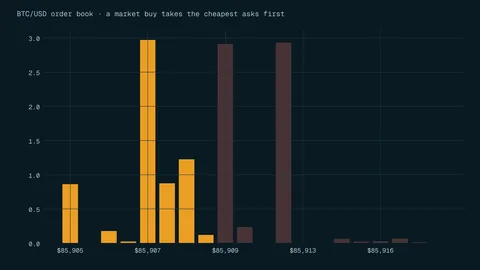
| Other orders fill first | Your buy may execute above the best offer you saw |
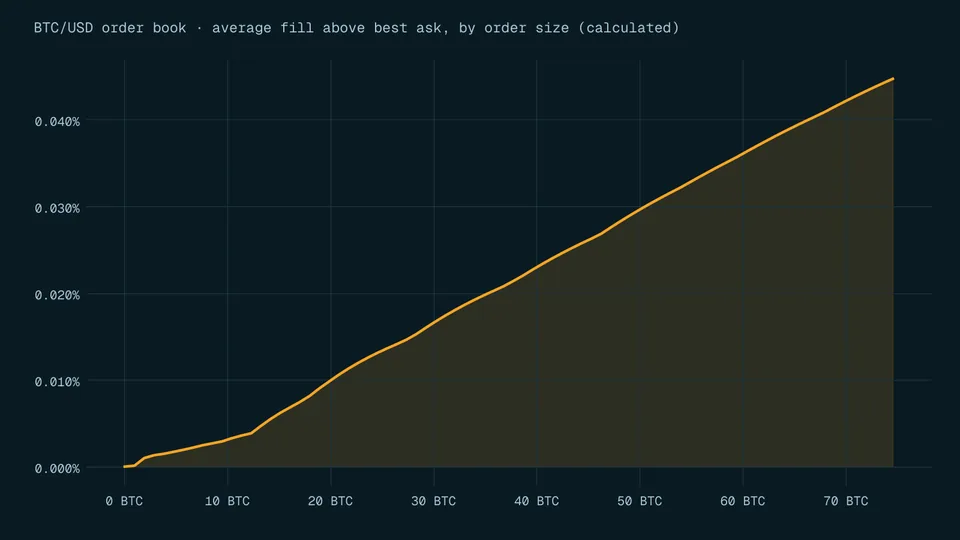
| Order bigger than the quote | Quotes cover a set number of shares, so the rest may fill at other prices |
| Thin or after-hours market | Fewer buyers and sellers, wider spreads, partial fills |
Where slippage comes from. Sources: FINRA order types [2], SEC order types bulletin [1], SEC trade execution guide [3], FINRA on liquidity [4] and extended hours [5].
How does slippage make a stop-loss cost more?#
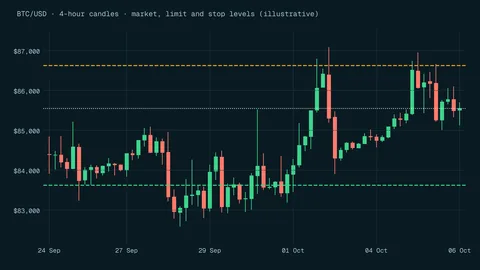
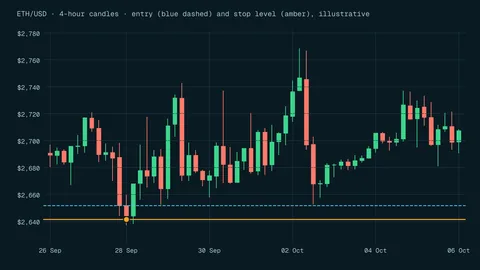
A stop order does not sell at the stop price. It becomes a market order once triggered, and the SEC warns that the execution price can deviate significantly from the stop price because of the liquidity available at that moment [6]. That is why a stop sets a planned exit but cannot guarantee a maximum loss.
Can you reduce slippage?#
You can limit it, at a price. A limit order only executes at your price or better, but it is not guaranteed to execute [1]. A stop-limit order adds a price floor to a stop, yet it may never fill if the price moves past the limit [6], which can leave you in a losing position.
Other habits help: trade in busy hours rather than thin ones, keep order sizes within what is quoted, and remember FINRA's warning that executing a large order quickly in a low-volume security can be difficult [4]. Size positions so that a worse fill still leaves a loss you can afford, as our guide to stop-loss orders and position sizing explain.
Frequently asked questions#
Is slippage a fee?
No. Nobody bills you for it; it shows up as a worse price on the fill. It is still a real cost, on top of the spread and any commission.
Does a stop-loss guarantee I lose no more than planned?
No. A triggered stop becomes a market order, and its execution price can deviate significantly from the stop price [6].
The bottom line#
Slippage is the price of trading immediately in a market that keeps moving. You cannot remove it, but you can plan for it: expect market and stop orders to fill away from the quote, use limit orders when price matters more than certainty of a fill, and size trades so a worse fill is still survivable. Read our order types explainer and the risk disclosure.
Sources
Education only. This page is not investment, tax or legal advice. Trading and crypto can lose you money. See our risk disclosure.