News analysis ·
Tokenized stocks: what nine issuer vetoes mean for you
Nine companies, including Broadcom and Verizon, blocked token versions of their shares on OKXICE. We explain the veto and the pricing and access risks.
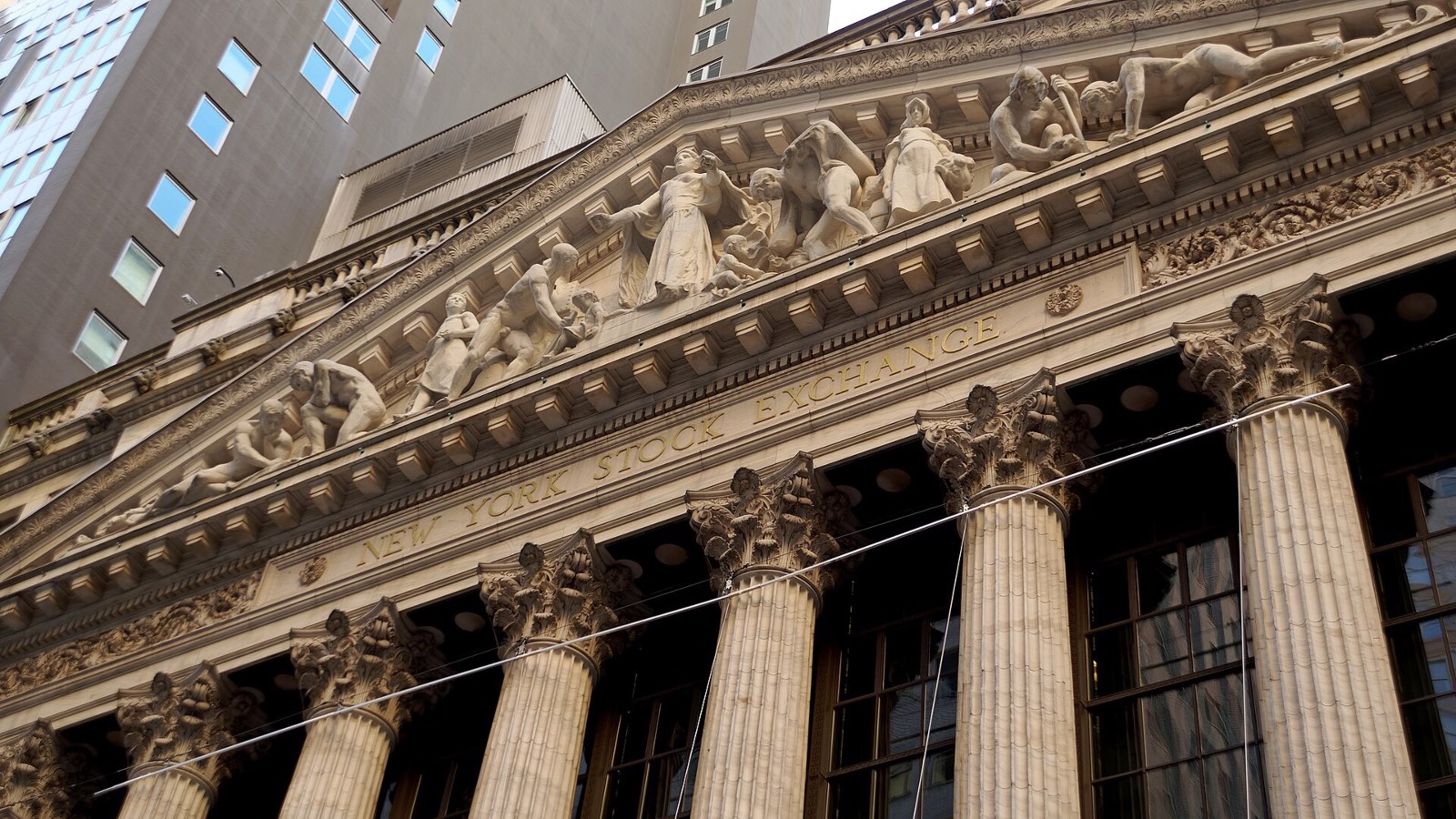
Nine publicly traded companies, including Broadcom, Verizon and CoreWeave, have objected to token versions of their shares trading on OKXICE, the venue owned by Intercontinental Exchange and the crypto exchange OKX, according to Unchained. Under the rules the venue operates by, an objection is enough to keep a stock off the menu. This article looks at how that veto works and what it tells a retail trader about access, pricing and exits on a tokenized stock venue.
What happened
OKXICE publishes a public notice listing the stocks it plans to offer as tokens. Unchained reported that the earliest notice, from Oct. 4, listed 63 stocks and already showed one objection, from Cerebras Systems, a company that was not even on that list.
Each revision added names. The Oct. 8 update brought objections from Rocket Lab, AppLovin and Applied Digital. The Oct. 15 update added Broadcom, Verizon, CoreWeave, UnitedHealth Group and Applied Optoelectronics. Eight of the nine objectors had been on the original roster, so the list of stocks a trader could expect to find has already shrunk before any trading has started.
The notice itself does not give reasons. Applied Optoelectronics reportedly told The Wall Street Journal it could not estimate how tokenization would affect its stock price, volatility and liquidity, and saw no clear benefit. OKXICE has not set a launch date.
What are tokenized stocks, and are they safe?
A tokenized stock is a token on a blockchain that tracks a share of a listed company. In this case the token would trade in a crypto-style pool rather than on a stock exchange. Whether it is safe depends less on the blockchain and more on the rules around it: who can list it, who can trade it, and how its price is set. The OKXICE notices show that the company behind the share can say no, and that is a risk factor of its own.
The mechanics: how the issuer veto works
The venue relies on an SEC exemptive order issued Sept. 17. The order lasts five years and lets venues like this one operate without registering as an exchange. In return, it sets a process for any stock that an outside party tokenizes.
First, the company must receive written notice, and trading cannot begin for at least 30 calendar days. If the company sends a written objection inside that window, the venue cannot list the token. After that, the venue must revise its published list within five business days. The decision sits with the issuer, not with the venue or with traders.
The trading design matters too. Unchained reports that OKXICE plans to run trading in Uniswap v4 pools with restricted access on X Layer, each priced against a stablecoin: USDC, USDG or USDT. A pool like this is an automated market maker, or AMM: instead of matching buyers and sellers in an order book, it sets the price from the balance of two assets held in the pool. Only wallets that pass identity and sanctions screening and hold a non-transferable token can trade.
The SEC order itself names the pricing concern. It notes that an AMM pool's price is "most likely based only on the ratio of the quantities of assets in that liquidity pool." In plain terms, the token price reflects what is inside the pool, not what the share is doing on its home exchange at that moment.
Where the risk is
None of this makes a tokenized stock good or bad on its face. It does change where a retail trader can lose money.
- Price gaps: a pool price can drift away from the underlying share, so a trader may buy above or sell below what the stock is worth on its main market.
- Thin pools: if a pool holds little of each asset, a single order can move the price sharply, which shows up as slippage on the fill.
- Shifting menu: a company can object and keep its stock off the venue, so a strategy built around a particular name may never be possible there.
- Stablecoin and access layers: every trade runs through a stablecoin and a wallet that must stay approved, adding risks a normal brokerage share does not carry.
There is also a record-keeping question. The SEC order lists, among the points a company may weigh, whether its register of shareholders stays accurate once tokens move onchain. The notice gives no reasons for any objection, so this is only one of the points the order lets a company weigh.
What to watch
The next revision of the OKXICE notice will show whether more companies opt out, and whether any rejoin. A launch date, when one is given, will show how deep the pools are on day one. A trader weighing a tokenized stock can lose money if the token price and the share price on its home exchange differ at the moment of the trade.
ICE and OKX announced the venture in June; its co-chair is Andrew Cuomo, who was once governor of New York. The issuer veto shows that the model cannot reach every listed stock.
Sources
- Unchained, 19 Oct 2026
Drafted with an AI model using only the sources listed, and released automatically after software checks on figures and originality. Nobody edited it by hand. For learning only; it does not tell you what to buy or sell.